
Garage Door Spring Repair: What Happens When Springs Are Too Tight
- COMMERCIAL GARAGE DOOR REPAIR
- GARAGE DOOR OPENER INSTALLATION
- GARAGE DOOR SPRING REPAIR
- SAME-DAY GARAGE DOOR REPAIR
- CUSTOM GARAGE DOOR
- GARAGE DOOR OPENER REPAIR
- GARAGE DOOR TRACK REPAIR
- GARAGE DOOR CABLE REPAIR
- GARAGE DOOR PANEL REPAIR
- LOCAL GARAGE DOOR REPAIR
- GARAGE DOOR REPLACEMENT
- NOISY GARAGE DOOR FIX
- GATE REPAIR
- GARAGE DOOR INSTALLATION
- GARAGE DOOR SECTION REPLACEMENT
- OVERHEAD GARAGE DOOR REPAIR
Garage Door Spring Repair: What Happens When Springs Are Too Tight
When your garage door starts acting up, the problem often stems from spring tension issues that require immediate attention. Overly tight springs create a cascade of mechanical problems that can damage your entire door system and pose serious safety risks. Understanding the warning signs and consequences of excessive spring tension helps you recognize when professional garage door spring repair becomes necessary before minor issues escalate into costly replacements.
Garage door springs operate under tremendous force—typically handling 150 to 300 pounds of counterbalancing weight. When springs become too tight, this delicate balance shifts dramatically, creating stress points throughout your door’s operating system. The result is accelerated wear, unpredictable door behavior, and potential safety hazards that affect your family’s daily routine.
Most homeowners don’t realize how quickly spring tension problems develop. Environmental factors, improper installation, and normal wear patterns can gradually increase spring pressure beyond safe operating limits. Local Garage Door Repair Company can help you recognize these issues early, preventing catastrophic failures and protecting your investment in your garage door system.
The Dangerous Consequences of Excessive Spring Tension
Overly tight springs transform your garage door into a potential safety hazard that threatens both property and personal safety. The excessive force creates unpredictable door movements that can injure anyone in the door’s path or damage vehicles parked beneath.
When springs exceed proper tension levels, your door may slam shut with dangerous force. This violent closing action can crush anything in its path and creates shock waves that damage door panels, tracks, and hardware components. The sudden impact often cracks concrete floors and damages items stored near the door opening.
Door opening becomes equally problematic with overtightened springs. The excessive upward force can launch your door too quickly, causing it to overshoot its intended stopping point and crash into ceiling-mounted objects or garage door opener mechanisms. This rapid acceleration puts tremendous stress on cables, pulleys, and mounting hardware.
Hardware failure becomes inevitable when springs maintain excessive tension over time. Brackets, cables, and mounting points experience forces beyond their design specifications, leading to sudden breakage that can cause complete door collapse. These failures often occur without warning during normal operation.
The automatic garage door opener suffers significant damage when working against overtightened springs. Motors burn out from fighting excessive resistance, while drive mechanisms strip gears and break chains or belts. Replacing opener components costs significantly more than addressing spring tension issues promptly.
Warning Signs Your Springs Are Too Tight
Your garage door provides clear signals when springs become dangerously tight, though many homeowners dismiss these warnings until serious problems develop. Learning to recognize these signs helps you address issues before they escalate into emergency repairs.
Door movement becomes jerky and unpredictable when springs exceed proper tension. Instead of smooth, controlled motion, your door may surge upward rapidly or close with excessive speed. These erratic movements indicate springs are fighting the door’s natural balance point.
Unusual noises accompany overtightened springs as hardware struggles against excessive forces. You might hear grinding, squealing, or popping sounds during operation. Metal stress creates these audio warnings as components bend, stretch, or slip under pressure they weren’t designed to handle.
The door may refuse to stay in intermediate positions when springs are too tight. Attempting to stop the door partway through its travel results in continued movement as excessive spring force overcomes the opener’s holding capacity. This behavior makes the door dangerous to operate manually.
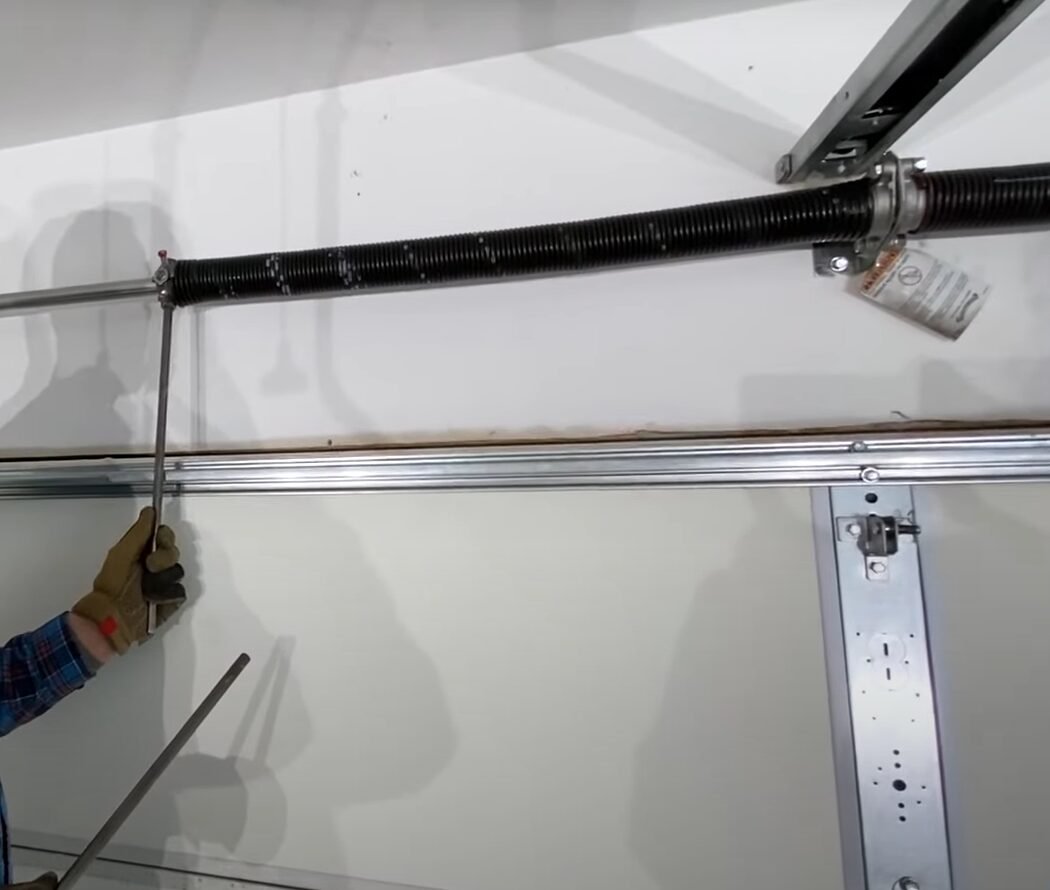
Gap spacing between spring coils provides visual evidence of excessive tension. Properly adjusted springs maintain consistent spacing between coils throughout their length. Overtightened springs show compressed coils with reduced spacing, particularly near mounting points where stress concentrates.
Your garage door opener struggles visibly when working against excessive spring tension. The motor may labor longer to complete opening or closing cycles, while automatic reversal systems trigger unexpectedly as the opener interprets spring resistance as obstruction.
Professional Solutions for Spring Tension Problems
Addressing overtightened springs requires specialized knowledge and tools that make professional service the safest option for most homeowners. Spring adjustment involves working with components under extreme tension that can cause serious injury if handled improperly.
Professional technicians use specialized winding bars and measurement tools to adjust spring tension precisely. They understand the mathematical relationships between door weight, spring specifications, and proper tension settings. This expertise ensures adjustments restore safe operation without creating new problems.
Spring replacement often becomes necessary when tension problems stem from incorrect spring specifications or damaged components. Installing the wrong spring size or type creates ongoing tension issues that adjustments can’t resolve. Professionals match springs to your specific door weight and configuration.
System rebalancing addresses the underlying causes of tension problems rather than just treating symptoms. This comprehensive approach examines door alignment, track condition, hardware wear, and opener settings to restore proper operation throughout the entire system.
Safety testing follows any spring adjustment to verify proper door operation and identify potential problems before they cause failures. Professional technicians test emergency release functions, automatic reversal systems, and manual operation to ensure your door operates safely.
When spring tension problems threaten your safety or damage your property, don’t attempt DIY repairs that could make the situation worse. Contact Local Garage Door Repair Company for professional assessment and repair services that restore safe, reliable operation to your garage door system.