
Garage Door Spring Replacement: A Homeowner’s Guide
- COMMERCIAL GARAGE DOOR REPAIR
- GARAGE DOOR OPENER INSTALLATION
- GARAGE DOOR SPRING REPAIR
- SAME-DAY GARAGE DOOR REPAIR
- CUSTOM GARAGE DOOR
- GARAGE DOOR OPENER REPAIR
- GARAGE DOOR TRACK REPAIR
- GARAGE DOOR CABLE REPAIR
- GARAGE DOOR PANEL REPAIR
- LOCAL GARAGE DOOR REPAIR
- GARAGE DOOR REPLACEMENT
- NOISY GARAGE DOOR FIX
- GATE REPAIR
- GARAGE DOOR INSTALLATION
- GARAGE DOOR SECTION REPLACEMENT
- OVERHEAD GARAGE DOOR REPAIR
The Ultimate Guide to Garage Door Spring Replacement: What You Need to Know
A loud bang from your garage is often the first sign that something is wrong. More often than not, the culprit is a broken garage door spring. Dealing with this issue promptly is crucial for the safety and functionality of your home. While some ambitious homeowners might consider a DIY approach, understanding the complexities involved in a professional garage door spring replacement can help you make an informed decision. Here at Local Garage Door Repair Company, we know that a functioning garage door is essential for your daily routine, and we’re here to explain the process.
Understanding Garage Door Springs
Your garage door might seem to open and close effortlessly, but powerful springs are doing the heavy lifting. These springs are under immense tension to counterbalance the door’s weight, which can be several hundred pounds. Without them, your automatic opener would not be able to lift the door. There are two main types of springs, and identifying which one you have is the first step in the replacement process. A failed garage door spring replacement can lead to significant damage or injury, making it a job best left to trained technicians.
Torsion Springs
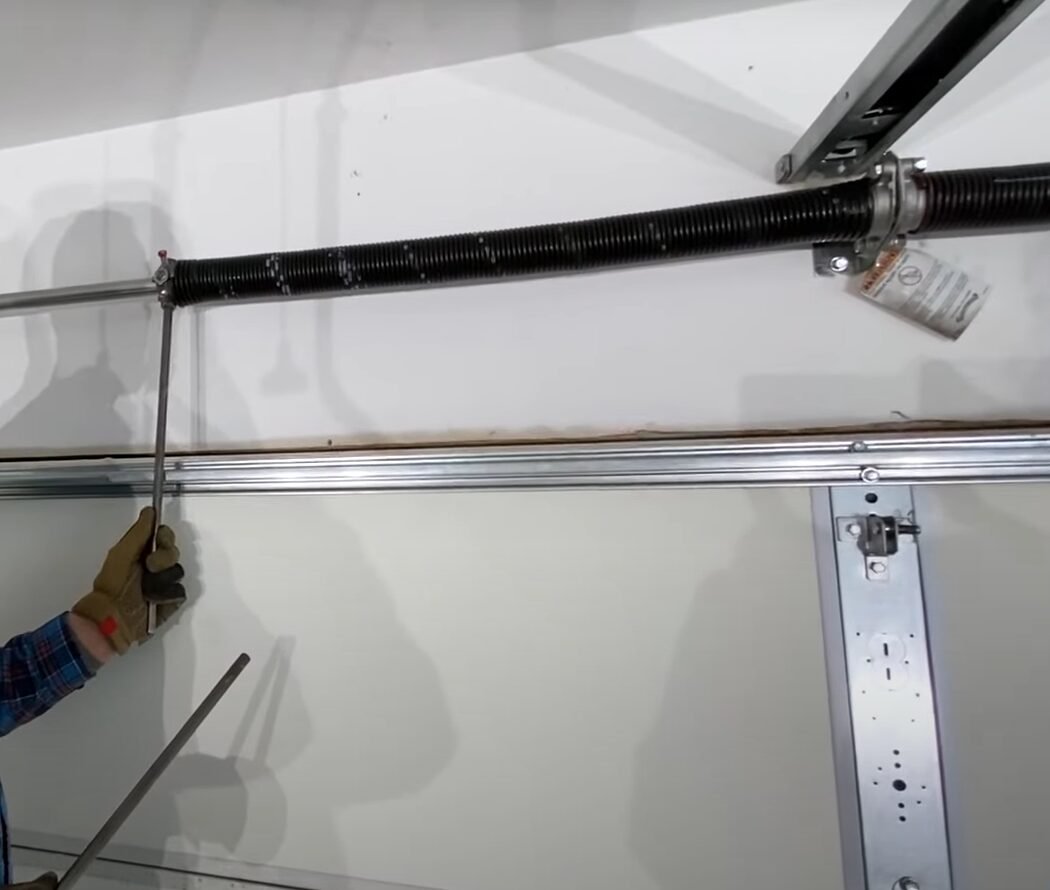
You can typically find torsion springs mounted horizontally on a metal shaft directly above the garage door opening. When the door closes, cables attached to the bottom corners of the door wind the springs, creating stored energy. As the door opens, these springs unwind to lift the weight. Torsion springs are common on residential garage doors and generally have a longer lifespan than extension springs. A professional garage door spring replacement involving this system requires special tools to safely wind and unwind the springs.
Extension Springs
Extension springs are located on either side of the door, running parallel to the horizontal tracks. These springs stretch and contract to lift and lower the door, much like a rubber band. They are typically used for smaller or lighter garage doors. Extension springs are under a great deal of tension and can be particularly dangerous when they break, as they may snap and fly off. For this reason, they should always have a safety cable running through them to prevent them from becoming a projectile during a failure.
A broken spring makes your garage door inoperable and unsafe. The extreme tension makes garage door spring replacement one of the most hazardous home repairs. Professionals have the right tools, training, and experience to handle the job safely and efficiently. They can correctly install the right size and type of spring for your door’s weight and size, ensuring balanced and smooth operation for years to come. If you hear that telltale bang or your door won’t open, contact a trusted professional to get your door back on track safely.